

The Nutcracker and Ballet
Where It All Started
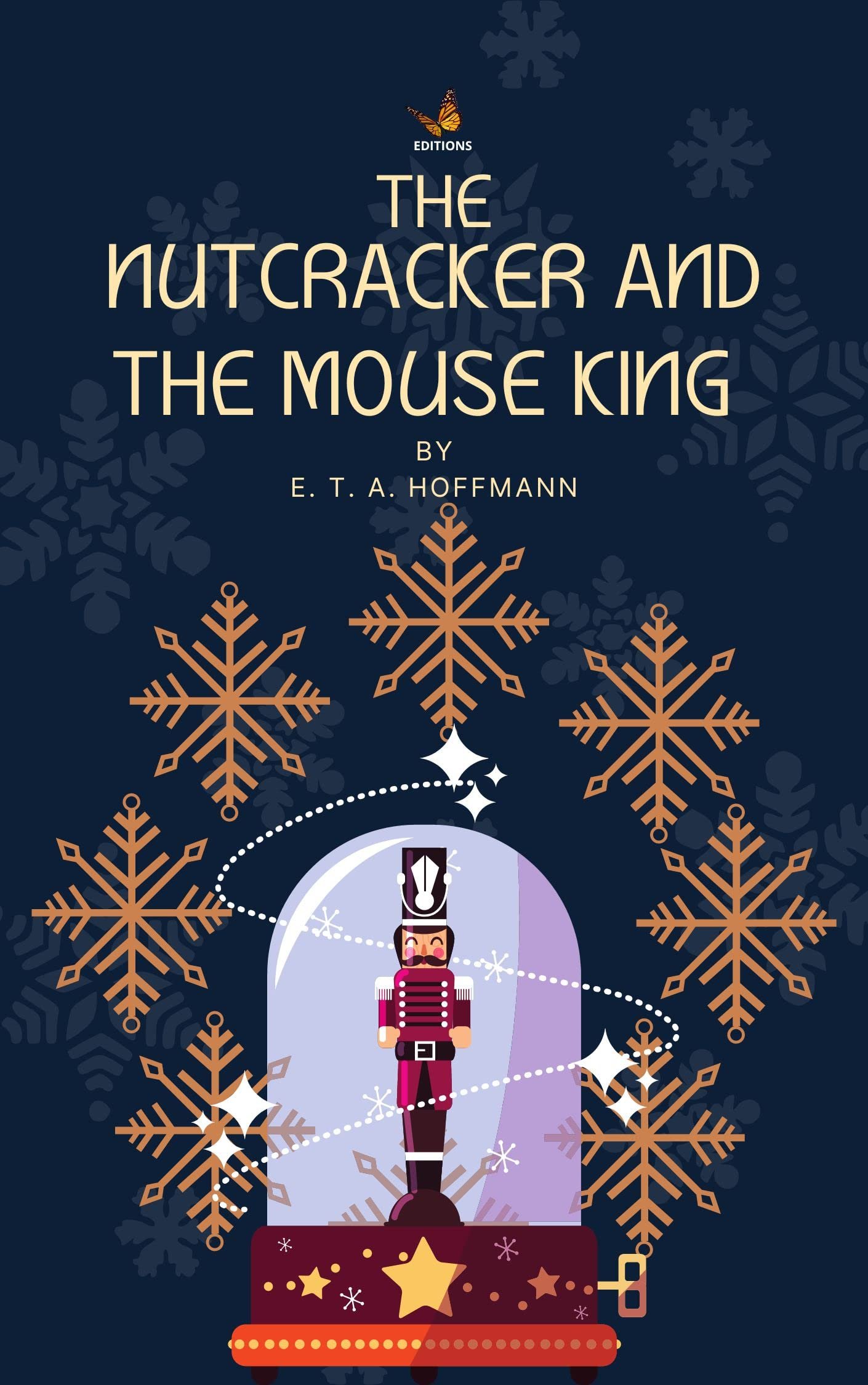
Ever wondered about the Nutcracker ballet? Here’s the backstory! The ballet comes from a book called The Nutcracker and the Mouse King by E.T.A. Hoffmann. The original story is pretty wild and weird, so Alexandre Dumas rewrote it to be more kid-friendly. Fun fact: when the ballet first premiered in 1892, audiences were actually confused by it and didn’t love it right away!
Why the Music Changed Everything
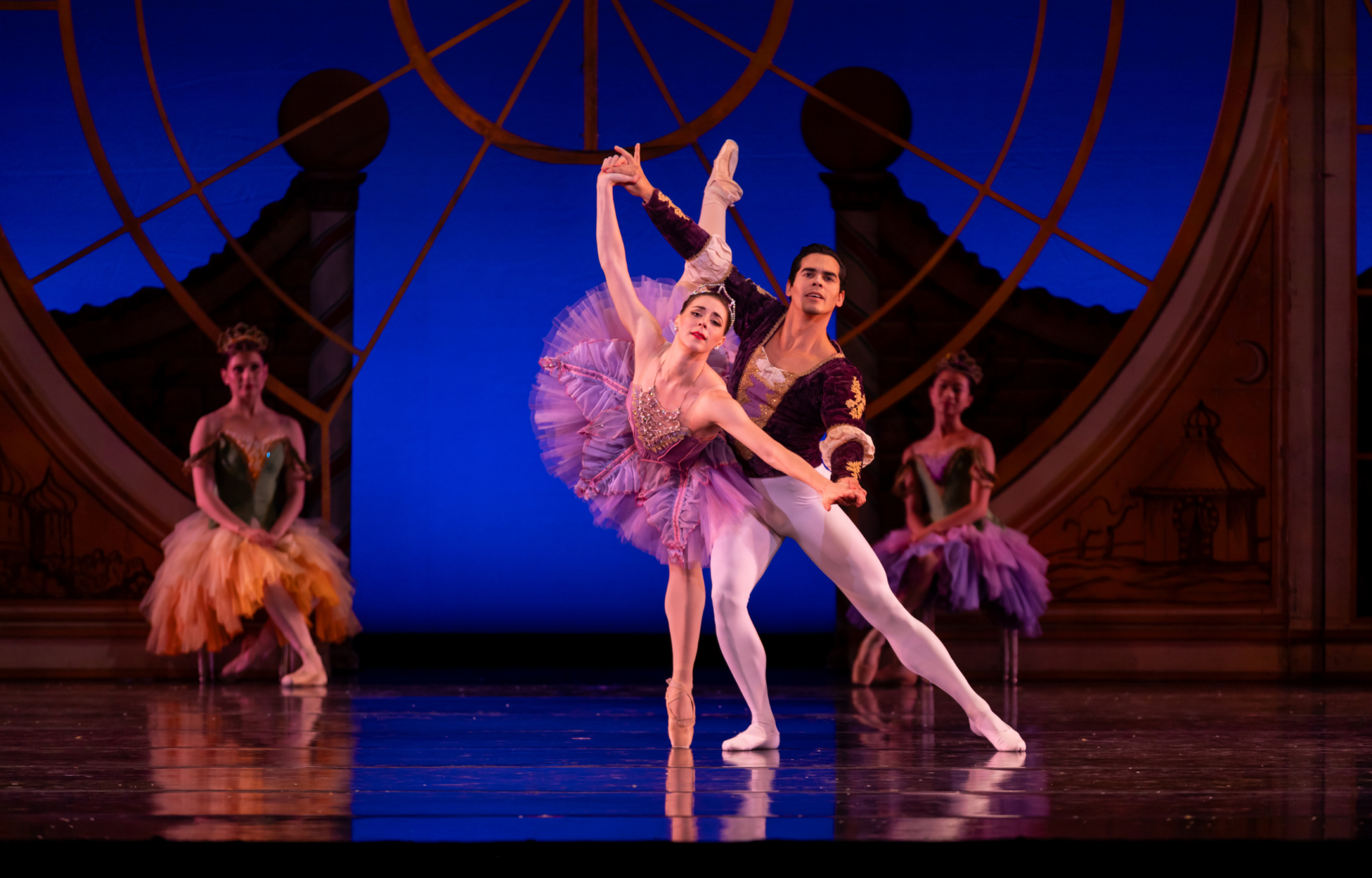
Tchaikovsky’s music was different from other ballet scores, it was richer and more complex, helping dancers tell the story in new ways. He used a brand-new instrument called the celesta (it sounds magical!) in the Dance of the Sugar Plum Fairy, which became one of the most famous pieces ever. Even before the full ballet got popular, people loved listening to the music in concerts, which helped spread the word about ballet itself.
How It Brought Ballet to Everyone
In America, The Nutcracker became most people’s first ballet experience—even before they saw classics like Swan Lake. Making it a holiday tradition meant families came back every year, turning ballet from something fancy and exclusive into entertainment everyone could enjoy. Many ballet companies depend on Nutcracker ticket sales to keep running all year—it’s that popular!
A Launch Pad for Young Dancers
The Nutcracker includes parts for kids, giving young dancers their first chance to perform on a real stage. It creates jobs for dancers at every level, from students to professionals playing character roles throughout their careers. With hundreds of productions happening every year in the U.S. alone, it’s often the first major performance experience for aspiring ballet dancers.
A Story That Keeps Evolving
Choreographers love reimagining The Nutcracker. George Balanchine’s 1954 version featuring lots of child dancers became the gold standard for American productions. Modern versions like Mark Morris’s The Hard Nut show that the story can be updated for today’s audiences while keeping what makes it special. The “Land of Sweets” section with all its different dance styles has inspired choreographers to think creatively about mixing storytelling with spectacular performances.
A Cultural Phenomenon
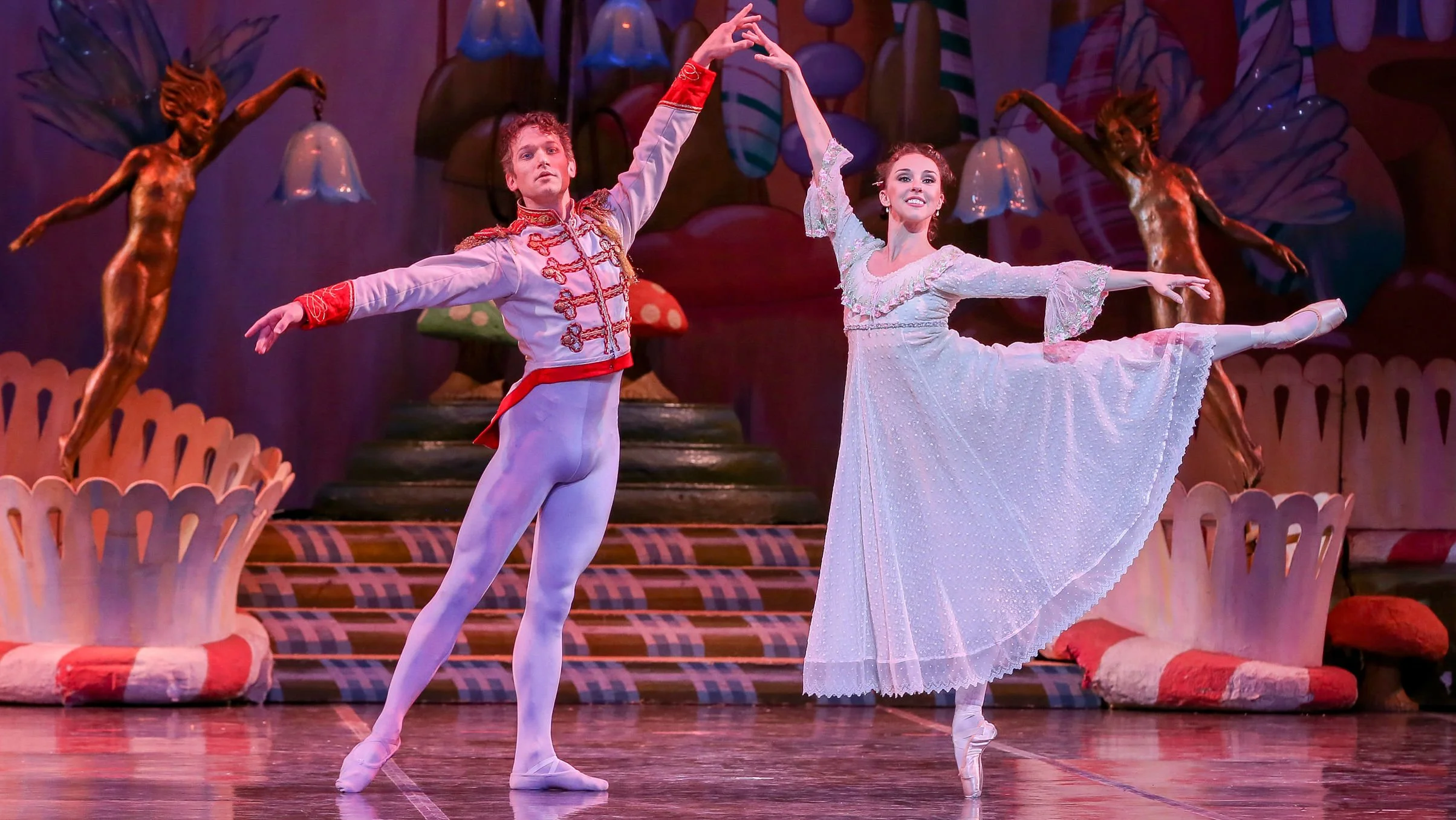
In the U.S., The Nutcracker is basically synonymous with Christmas—it’s part of the holiday season. Even people who’ve never been to a ballet recognize the music and famous scenes, making ballet more visible and accessible. Its popularity has led to movie versions, ice skating shows, and community theater productions, spreading ballet’s influence everywhere.
Looking at It with Fresh Eyes
Today, people are having important conversations about how The Nutcracker represents different cultures and whether older productions need updating to be more inclusive and respectful. This shows that even classic ballets can grow and change with the times.
